06/10/2021

2019 Macbook Pro 16 inch Disk Speed Test

[vc_video link=”https://www.youtube.com/watch?v=sIcMDwmo78Q” title=”2019 Macbook Pro 16 inch Disk Speed Test”]

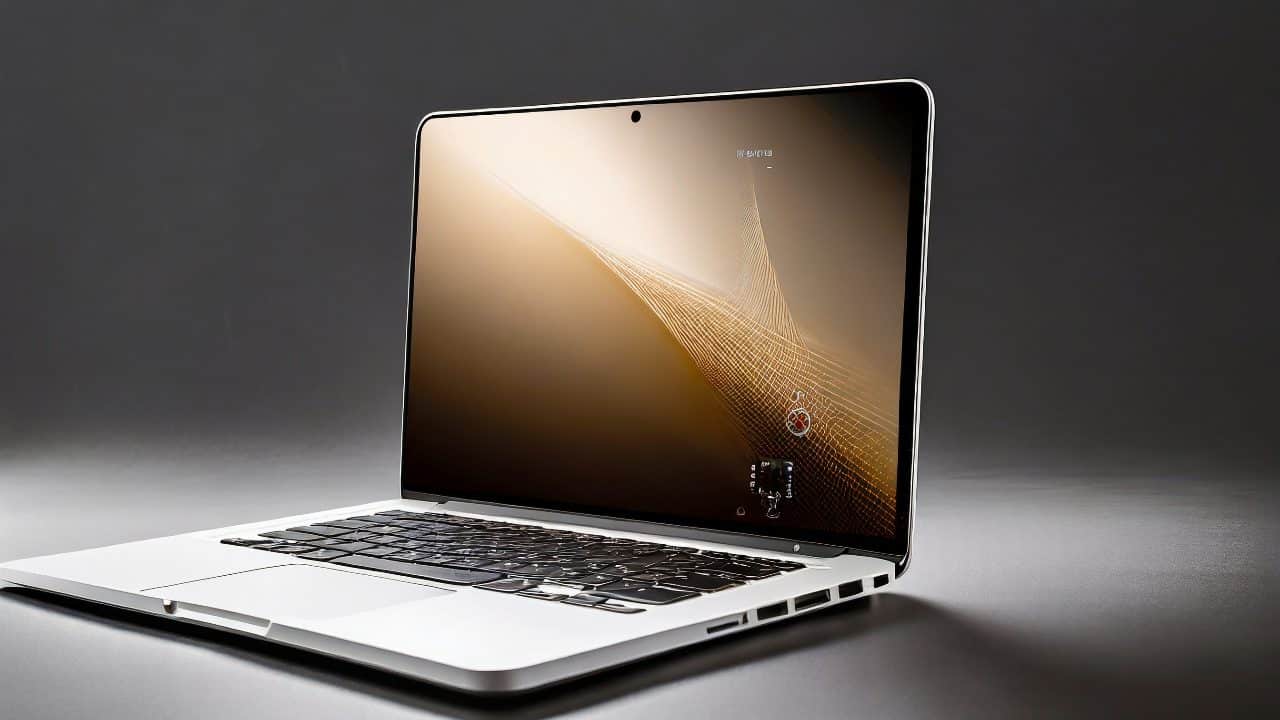
MacBook Pro 16-inch (2019 Model) Performance Test

Device Specifications

  • Model: MacBook Pro 16 inch, 2019.
  • Processor: 2.3 GHz 8-core Intel i9.
  • Memory: 16 GB DDR4 (non-upgradable, built-in to the motherboard).
  • Graphics: Intel UHD Graphics 630 and AMD Radeon Pro 5500M.
  • Storage: 1 TB SSD (built-in, non-upgradable).

Speed Test Using Blackmagic

  • Test Application: Blackmagic Disk Speed Test.
  • Result: Write and read speeds of about 2500 to 2800 MB/s.

File Transfer Test

  • Data: Folder containing a mix of files totaling 100 GB.
  • Observation: Internal file transfer (copying within the same SSD) took less than two seconds for 100 GB.

Comparison with External SSD (Samsung T7)

  • Capacity: 500 GB Samsung T7 SSD.
  • Transfer Time: About two minutes to transfer 100 GB from the Samsung T7 SSD to the MacBook Pro.
  • Speed Test Result: Write speed of about 800 MB/s and read speed of around 900 MB/s, which is less than the built-in SSD speeds.

Conclusion

  • Recommendation: Purchase a MacBook Pro with larger built-in storage to avoid slower speeds of external drives.
  • General Advice: The internal SSD of the MacBook Pro offers significantly higher speeds compared to external SSDs.

This summary highlights the key aspects of the MacBook Pro’s performance, focusing on its internal SSD’s speed compared to an external SSD. The results underscore the efficiency of the built-in SSD and the advantage of opting for a larger storage option during purchase. If you have specific questions or need further details about any part of the process, feel free to ask!

Legal Disclosure:

UberGeeks video(s) or information provided on this website does not, and is not intended to, constitute legal advice, constitute IT professional advise, information technology expert, or tech related material; instead, all information and content available on this are for entertainment purposes only. No information contained in this video shall create any express or implied warranty or guarantee of any particular result.

UberGeeks shall not be held liable for any damages, losses, injuries, loss of data, or harm arising from the use of information or techniques presented in our video(s) or information provided on this website. By accessing and using our content, you agree to release us from any liability.

Participation in any activities or experiments presented in our video(s) is entirely voluntary. If you choose to replicate any actions or experiments, exercise caution, and prioritize your safety and the safety of your equipment.

Thank you for joining us on this IT journey. We hope you find our video(s) enjoyable. Remember, your participation in this channel is at your own discretion, and we encourage you to use the information responsibly and safely.

Transparency Note:

This article was collaboratively written with the assistance of ChatGPT, an AI language model developed by OpenAI. While the content was generated with AI assistance, it was reviewed and edited by our human editorial team to ensure accuracy and quality. As part of our efforts to enhance the user experience, we utilize artificial intelligence (AI) technologies to generate images and visual content on this website. Adobe Firefly AI-generated images may include graphics, illustrations, and other visual elements.

Related Articles