11/23/2022

ASUS ROG GA401Q TearDown Disassemble Upgrade

[vc_video link=”https://www.youtube.com/watch?v=FE0TQk-9K-E” title=”ASUS ROG GA401Q TearDown Disassemble Upgrade”]

Title: Asus ROG Laptop Teardown and Upgrade Guide

Author: Simon

Introduction: Hi, Simon here. Today, I’m excited to guide you through a teardown and potential upgrades for your Asus Republic of Gamers (ROG) laptop, specifically the model GA401Q. Whether you’re looking to add more RAM, storage, or even replace the battery, this video will cover it all.

Required Tools:

  • Phillips Screwdriver (PH1)
  • Metal Pry Tool
  • Plastic Pry Tool
  • Tweezers (optional)

Procedure:

  1. Identify the Model: The model for this tutorial is GA401Q. Check the back of your laptop to confirm your model number.
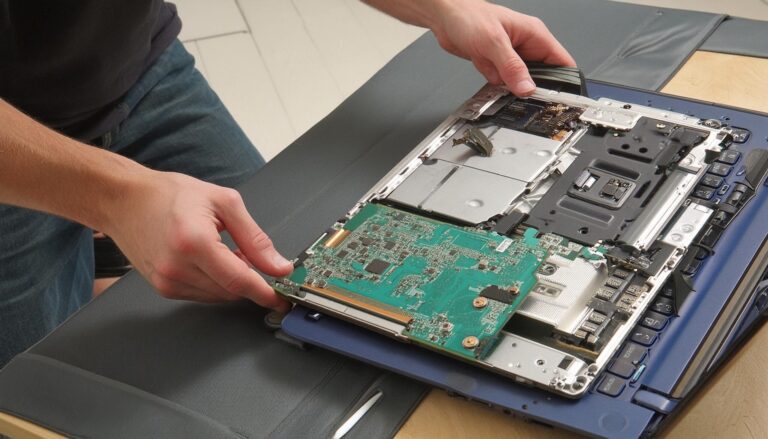
  2. Remove Screws: Use the Phillips screwdriver to remove all visible screws from the laptop’s back panel. Keep track of screw lengths and positions for reassembly.
  3. Open the Back Panel: Use the metal pry tool to gently lift and separate the back panel from the laptop. Switch to a plastic pry tool to avoid scratching the surface.
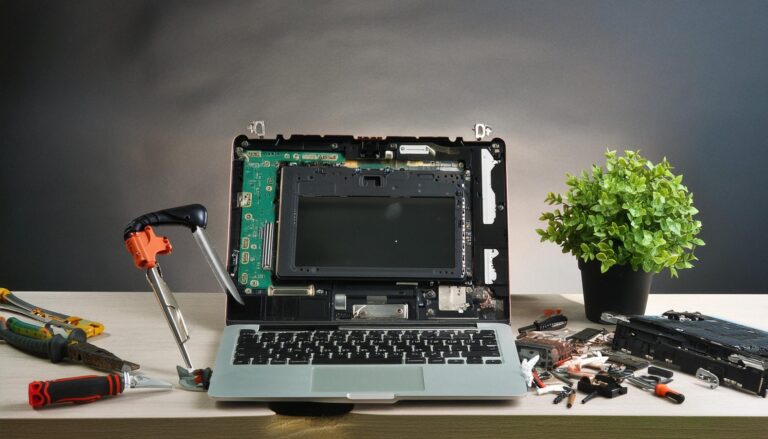
  4. Internal Components Overview:
    • M.2 Drive: Located beneath a heat pad, it’s where your data is stored.
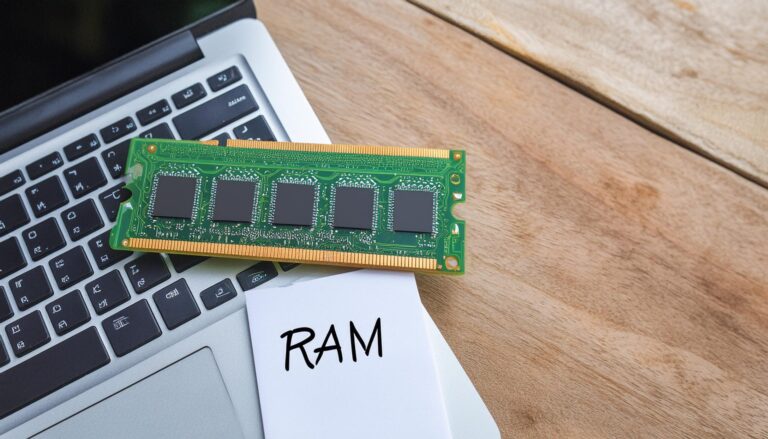
    • RAM: Identified by its ‘PC4’ label, indicating DDR4 RAM.
    • Battery: Large component, typically easy to replace.
    • CPU Fan and Heatsink: Essential for cooling your system.
  5. M.2 Drive Replacement/Upgrade:
    • Remove the M.2 drive by unscrewing and sliding it out.
    • Upgrade to a larger capacity if needed.
  6. RAM Upgrade:
    • Push side clips to release the RAM sticks.
    • Replace or add new RAM sticks, ensuring they match in speed and type (DDR4).
  7. Battery Replacement:
    • Disconnect the battery connector.
    • Unscrew and remove the battery.
    • Replace with a new one if necessary.
  8. Applying New Thermal Paste:
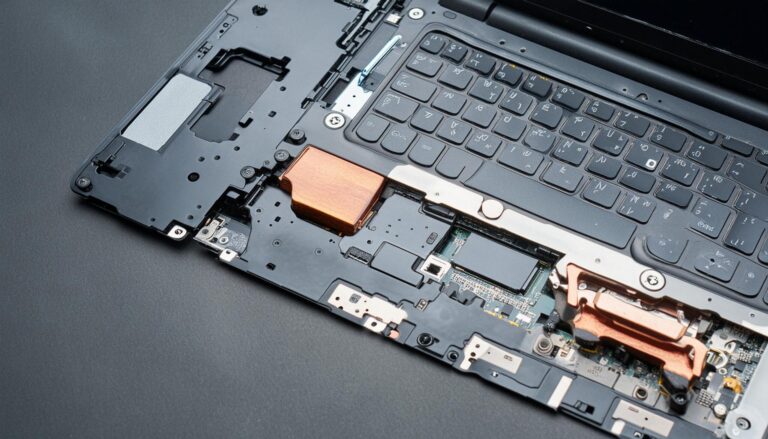
    • If your laptop is overheating, consider reapplying thermal paste.
    • Remove the heatsink, clean off old paste, and apply a high-quality thermal compound like MX4.
  9. Additional Notes:
    • Cloning Hard Drive: Use an NVMe USB adapter to clone your existing drive to a new, larger M.2 drive.
    • Keyboard Replacement: If the keyboard is faulty, it might be replaceable, given the presence of screws on the back of the keyboard.
  10. Reassembly: Carefully reattach all components and close the back panel. Ensure all screws are returned to their original positions.

Conclusion: This teardown and upgrade guide should help you enhance your Asus ROG laptop’s performance or replace worn-out components. Always handle internal components with care and ensure proper alignment during reassembly.

Tips:

  • Take pictures during disassembly for reference.
  • Use the right tools to avoid damaging your laptop.
  • Apply thermal paste sparingly but adequately.

Call to Action: If you found this guide helpful, please like, subscribe, and leave any questions or feedback in the comments section. I’m here to help!

Closing: Thanks for tuning into this Asus ROG laptop upgrade guide. Keep an eye out for more tech tutorials. See you next time!


Legal Disclosure:

UberGeeks video(s) or information provided on this website does not, and is not intended to, constitute legal advice, constitute IT professional advise, information technology expert, or tech related material; instead, all information and content available on this are for entertainment purposes only. No information contained in this video shall create any express or implied warranty or guarantee of any particular result.

UberGeeks shall not be held liable for any damages, losses, injuries, loss of data, or harm arising from the use of information or techniques presented in our video(s) or information provided on this website. By accessing and using our content, you agree to release us from any liability.

Participation in any activities or experiments presented in our video(s) is entirely voluntary. If you choose to replicate any actions or experiments, exercise caution, and prioritize your safety and the safety of your equipment.

Thank you for joining us on this IT journey. We hope you find our video(s) enjoyable. Remember, your participation in this channel is at your own discretion, and we encourage you to use the information responsibly and safely.

Transparency Note:

This article was collaboratively written with the assistance of ChatGPT, an AI language model developed by OpenAI. While the content was generated with AI assistance, it was reviewed and edited by our human editorial team to ensure accuracy and quality. As part of our efforts to enhance the user experience, we utilize artificial intelligence (AI) technologies to generate images and visual content on this website. Adobe Firefly AI-generated images may include graphics, illustrations, and other visual elements.

Related Articles