01/15/2022

TP Link AC1750 Setup and Port Forwarding Xbox

[vc_video link=”https://www.youtube.com/watch?v=sS–0JD19tA” title=”TP Link AC1750 Setup and Port Forwarding Xbox”]

Step-by-Step Guide to Setting Up a TP-Link AC1750 Router and Configuring Port Forwarding for Xbox One


Hey folks, Simon here! Today, I’m excited to share with you a comprehensive guide on setting up your TP-Link AC1750 router and configuring port forwarding for your Xbox One. This setup will enhance your gaming experience by optimizing your network connection.

Setting Up Your TP-Link AC1750 Router

What You Need:

  • TP-Link AC1750 Router
  • Power cable
  • Internet Service Provider (ISP) Cable
  • A computer for the setup process

Steps for Router Setup:

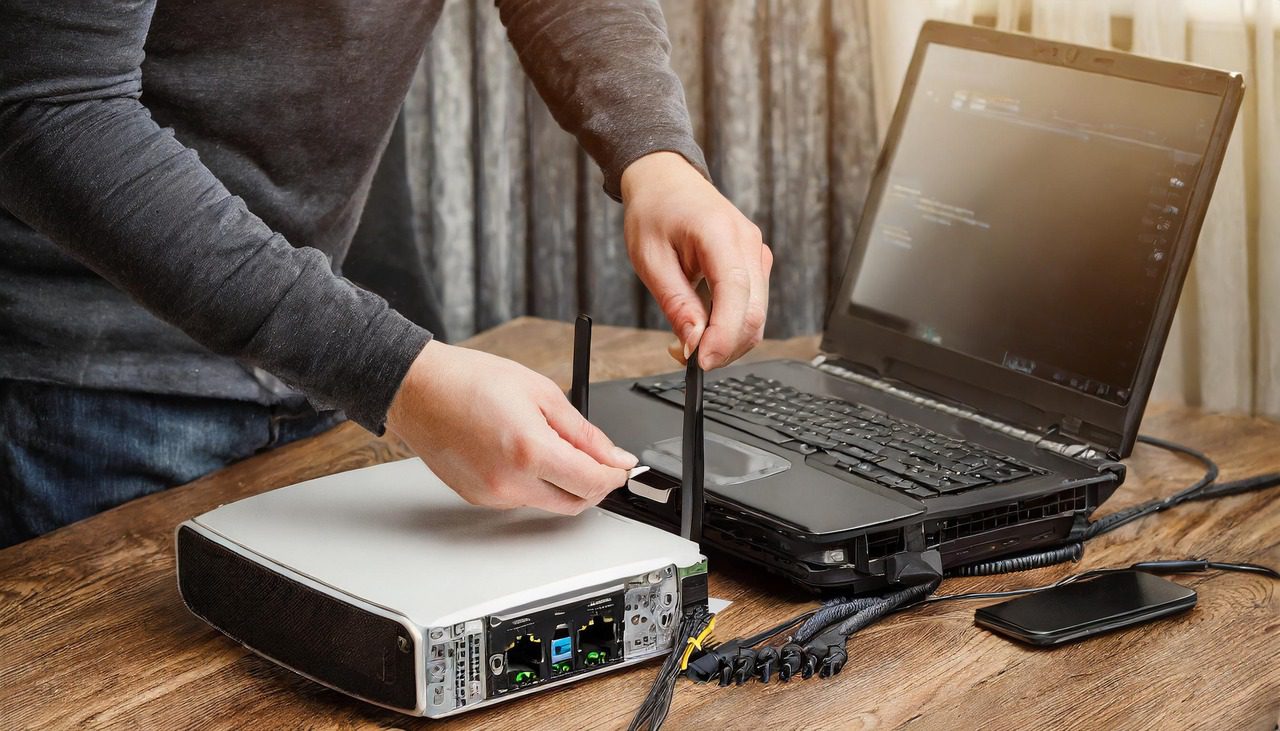
  1. Power Connection: Connect the power cable to your router and switch it on using the power button.
  2. Connecting ISP Cable: Plug the ISP cable (color might vary) into the blue WAN port on the router.
  3. Local Device Connection: Use the orange LAN ports to connect devices like your Xbox One, PC, or printer.

Configuring the Router:

  1. Access Router Settings: On your computer, open a browser and go to tp-linkwifi.net.
  2. Create an Administrator Password: This password is crucial for accessing and managing your router settings.
  3. Select Your Time Zone: Choose the appropriate time zone for your location.
  4. Internet Connection Type: For most home networks, select ‘Dynamic IP’. Businesses might require a static IP.
  5. Wi-Fi Settings: Enable ‘Smart Connect’ and set your Wi-Fi network name and password. Note these details for future use.
  6. Complete the Setup: Review your settings, click ‘Save’, and wait for the router to apply these settings.

Configuring Port Forwarding for Xbox One

Finding Your Xbox One’s IP Address:

  1. Check Connected Devices: In the router’s dashboard, under ‘Wired Clients’ or ‘Wireless Clients’, find your Xbox One. Note its IP address.
  2. Matching the MAC Address: Match the MAC address from your Xbox One’s network settings to the device listed in the router’s client list for confirmation.

Adding Required Ports for Xbox One:

  1. Navigate to Advanced Settings: Go to the ‘Advanced’ tab in the router’s dashboard and select ‘NAT Forwarding’, then ‘Virtual Server’.
  2. Add Ports: Enter the following ports with your Xbox One’s IP address:
    • Xbox-88: External Port: 88, Internal IP: [Your Xbox IP], Internal Port: 88, Protocol: UDP.
    • Xbox-3074: External Port: 3074, Internal IP: [Your Xbox IP], Internal Port: 3074, Protocol: All.
    • Repeat for ports 53, 80, 500, 3544, and 4500.

Saving the Settings:

After entering each port, click ‘Save’. Make sure all the necessary ports are listed in the ‘Virtual Servers’ list.

Conclusion

And that’s it! Your TP-Link AC1750 router is all set up, and your Xbox One is ready to provide you with an enhanced gaming experience. If you found this guide helpful, please drop a like and consider subscribing for more tech tips. For any questions or clarifications, feel free to comment below. Game on, and remember, there’s always something new to learn!


This blog post is designed to be user-friendly and informative, based on your script. If you need any adjustments or additional information included, please let me know!

Legal Disclosure:

UberGeeks video(s) or information provided on this website does not, and is not intended to, constitute legal advice, constitute IT professional advise, information technology expert, or tech related material; instead, all information and content available on this are for entertainment purposes only. No information contained in this video shall create any express or implied warranty or guarantee of any particular result.

UberGeeks shall not be held liable for any damages, losses, injuries, loss of data, or harm arising from the use of information or techniques presented in our video(s) or information provided on this website. By accessing and using our content, you agree to release us from any liability.

Participation in any activities or experiments presented in our video(s) is entirely voluntary. If you choose to replicate any actions or experiments, exercise caution, and prioritize your safety and the safety of your equipment.

Thank you for joining us on this IT journey. We hope you find our video(s) enjoyable. Remember, your participation in this channel is at your own discretion, and we encourage you to use the information responsibly and safely.

Transparency Note:

This article was collaboratively written with the assistance of ChatGPT, an AI language model developed by OpenAI. While the content was generated with AI assistance, it was reviewed and edited by our human editorial team to ensure accuracy and quality. As part of our efforts to enhance the user experience, we utilize artificial intelligence (AI) technologies to generate images and visual content on this website. Adobe Firefly AI-generated images may include graphics, illustrations, and other visual elements.

Related Articles