09/17/2021

Dell XPS 8940 Tear Down Disassemble

[vc_video link=”https://www.youtube.com/watch?v=BExh9XO0p-A” title=”Dell XPS 8940 Tear Down Disassemble”]

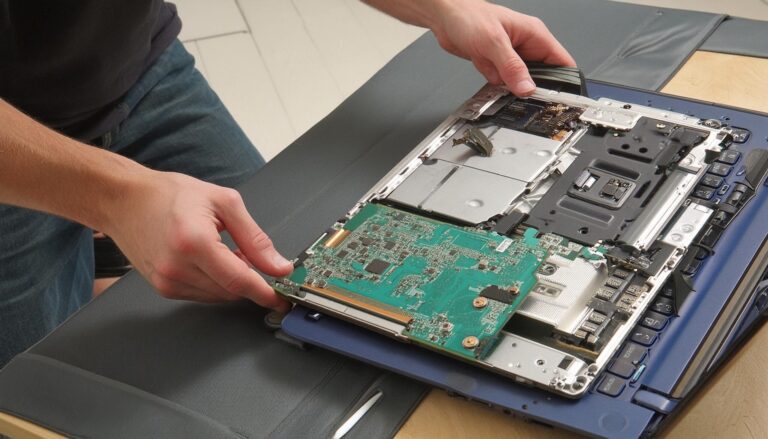
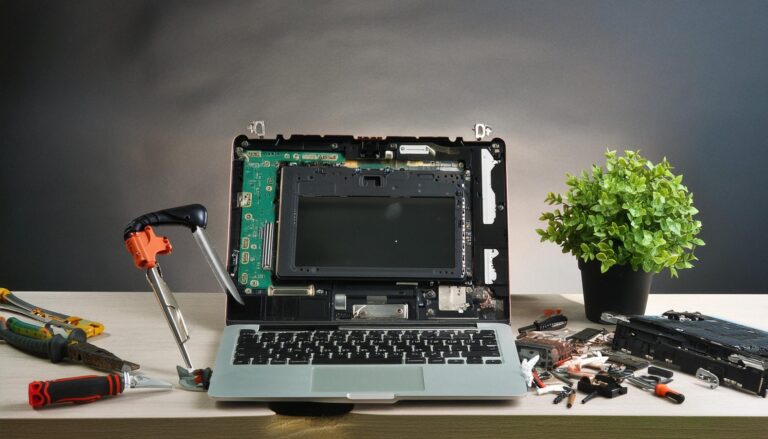
Dell XPS 8940 Teardown Guide

Hello, Simon here. Today, I’m going to take you through a teardown of the Dell XPS 8940.

Overview of the Dell XPS 8940

  • Front Layout: Optical CD drive, power button, SD card reader, USB 3.0, USB-C.
  • The front panel likely serves as an intake for an internal fan.
  • Rear Layout: Audio jacks, DisplayPort, HDMI, USB 2.0 ports, Ethernet connection.
  • Power Supply: Located at the bottom, not a full-size ATX.

Teardown Process

1. Removing the Side Panel

  • Unscrew the two Phillips screws holding the side panel.
  • Slide the panel to the left to open.

2. Internal Components Tour

  • CPU and Fan: Standard Intel heatsink and fan.
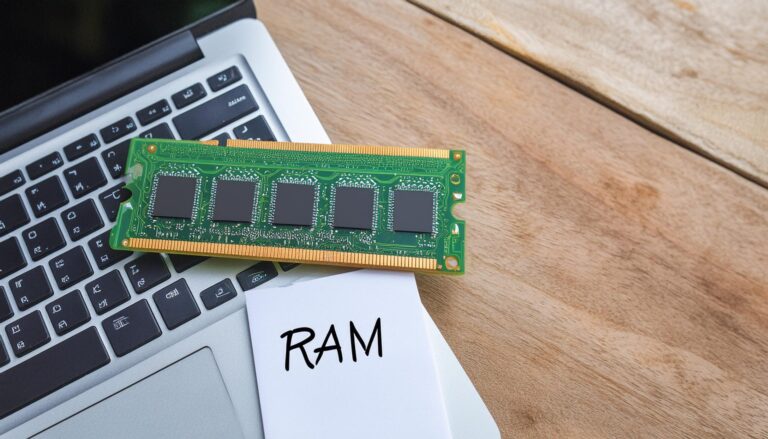
  • RAM: 16 GB DDR4, expandable up to 32 GB across four slots.
  • Storage Options:
    • 2.5-inch drive bay.
    • 3.5-inch drive bay with additional slots, though power supply limitations exist.
  • Optical Drive: Standard DVD drive, removable from the front after releasing the front panel.

3. Upgrading and Modifying

  • Graphics Card Installation:
    • 6-pin power connector available.
    • PCIe slot for a low-profile graphics card.
  • M.2 SSD:
    • A 512 GB M.2 NVMe SSD is present.
    • The slot supports a full-size M.2 SSD upgrade.
  • Wi-Fi: Built-in with antennas.
  • Power Supply:
    • Model H360EBM-00.
    • Limited upgradeability due to proprietary design.

4. Reassembly

  • Replace all components carefully.
  • Ensure all connections are secure.

This teardown provides a good understanding of the Dell XPS 8940’s internal layout and potential for upgrades. If you have any questions or need further assistance with specific upgrades, feel free to drop a comment below. Don’t forget to like and subscribe for more teardowns and tech tips. Stay tuned for a separate video on benchmark testing of this computer. Thanks for watching, and take care!

Legal Disclosure:

UberGeeks video(s) or information provided on this website does not, and is not intended to, constitute legal advice, constitute IT professional advise, information technology expert, or tech related material; instead, all information and content available on this are for entertainment purposes only. No information contained in this video shall create any express or implied warranty or guarantee of any particular result.

UberGeeks shall not be held liable for any damages, losses, injuries, loss of data, or harm arising from the use of information or techniques presented in our video(s) or information provided on this website. By accessing and using our content, you agree to release us from any liability.

Participation in any activities or experiments presented in our video(s) is entirely voluntary. If you choose to replicate any actions or experiments, exercise caution, and prioritize your safety and the safety of your equipment.

Thank you for joining us on this IT journey. We hope you find our video(s) enjoyable. Remember, your participation in this channel is at your own discretion, and we encourage you to use the information responsibly and safely.

Transparency Note:

This article was collaboratively written with the assistance of ChatGPT, an AI language model developed by OpenAI. While the content was generated with AI assistance, it was reviewed and edited by our human editorial team to ensure accuracy and quality. As part of our efforts to enhance the user experience, we utilize artificial intelligence (AI) technologies to generate images and visual content on this website. Adobe Firefly AI-generated images may include graphics, illustrations, and other visual elements.
Related Articles