11/24/2020

Getting Ready Year 2021 Gaming Desktop

[vc_video link=”https://www.youtube.com/watch?v=EHrAIzJz-A0″ title=”Getting Ready Year 2021 Gaming Desktop”]

Custom Built Computer Guide: Nvidia RTX 2060 & Intel i9 9900KF

Introduction

  • Objective: Assemble a custom-built computer featuring Nvidia RTX 2060 and Intel i9 9900KF.
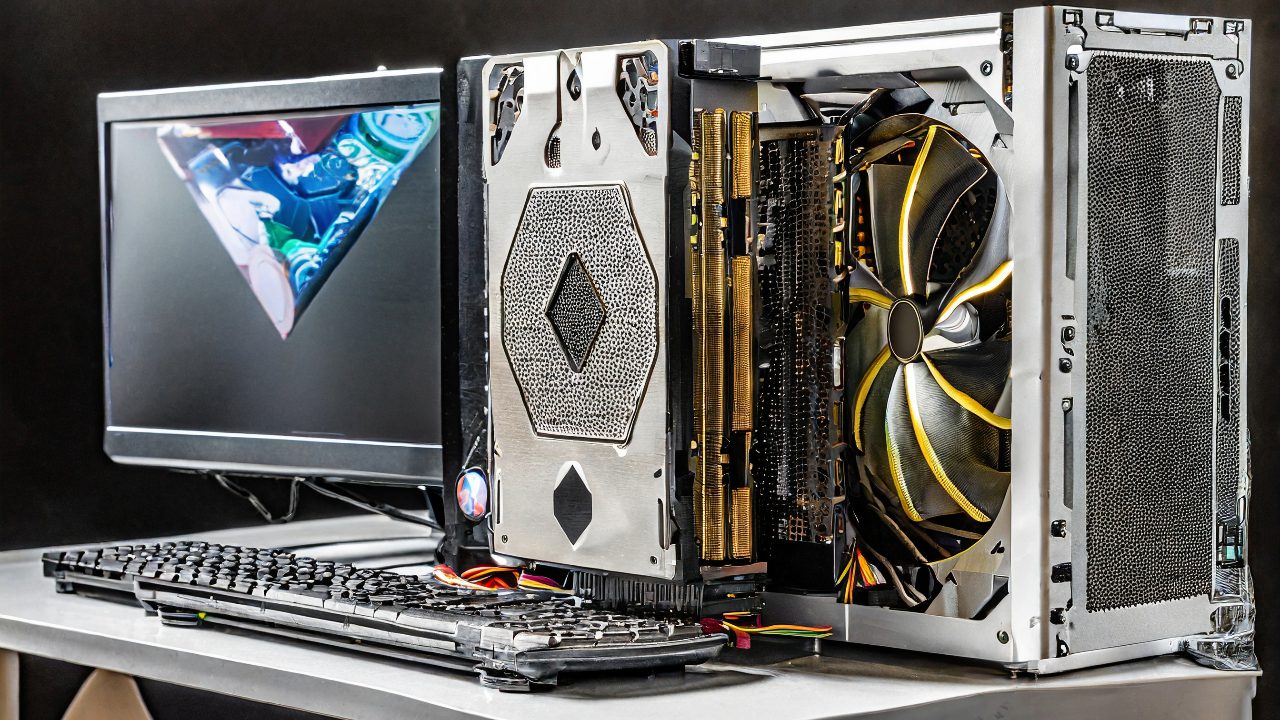
  • Components: RTX 2060 graphics card, 2TB Seagate HDD, 32GB DDR4 RAM, Intel i9 9900KF CPU, Samsung 970 Evo M.2 SSD, Gigabit Z390 motherboard, Corsair H115 heatsink (water cooling), 850W power supply, Corsair 275K case.

Assembly Steps

1. Preparation:

  • Unbox all components and prepare the workspace.
  • Ensure all necessary tools and screws are ready.

2. Motherboard Setup:

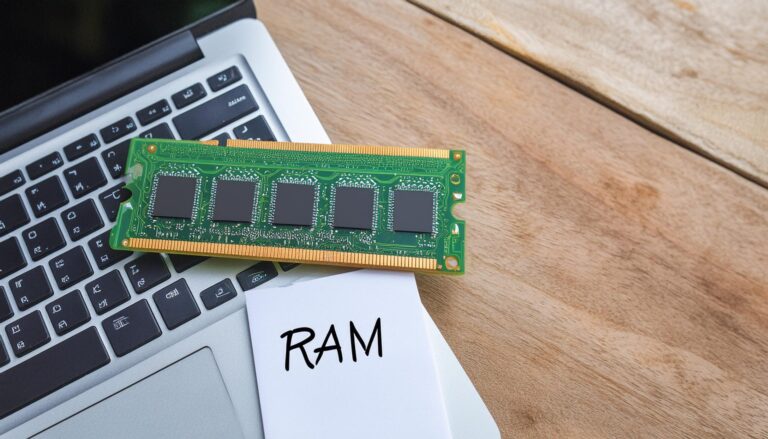
  • Install RAM in the correct slots (B1, A1 for this setup).
  • Place the Intel i9 9900KF CPU in the socket, ensuring proper alignment with the dimple markers. Secure the CPU bracket.
  • Install the M.2 SSD, aligning it with the slot and securing it with the provided screw.

3. Heatsink Installation:

  • Mount the Corsair H115 water cooling heatsink.
  • Apply thermal paste to the CPU.
  • Align the heatsink with the CPU and secure it using the provided screws.
  • Connect the heatsink’s power and RGB cables appropriately.

4. Case Preparation:

  • Remove side panels, front cover, and top cover of the Corsair 275K case.
  • Remove any pre-installed fans where the radiator will be mounted.

5. Installing the Heatsink Radiator:

  • Mount the radiator and fans at the front of the case.
  • Use provided screws to secure the radiator.

6. Motherboard Installation:

  • Carefully place the motherboard inside the case, aligning it with the standoffs.
  • Screw the motherboard into place using the appropriate screws.

7. Power Supply Installation:

  • Insert the power supply unit into the case and secure it with screws.

8. Graphics Card Installation:

  • Insert the Nvidia RTX 2060 into the PCIe slot on the motherboard.
  • Secure the graphics card with screws.

9. Hard Drive Installation:

  • Mount the 2TB Seagate HDD in the designated drive bay.

10. Cable Management:

  • Route all cables neatly and connect them to their respective components.
  • Utilize cable ties for tidy cable management.

11. Final Steps:

  • Connect front panel headers (power switch, HDD LED, reset switch, etc.) to the motherboard.
  • Ensure all components are securely connected and seated.
  • Close the case and prepare for first boot.

12. First Boot and BIOS Setup:

  • Power on the computer and enter the BIOS.
  • Configure settings like boot order, ensuring the M.2 SSD is the primary boot device.
  • Save changes and exit BIOS.

13. Operating System Installation:

  • Proceed with the installation of Windows 10 using a USB drive.

Conclusion

  • The build process involves careful assembly and attention to detail, especially in component compatibility and cable management.
  • Post-build activities include BIOS configuration and OS installation.
  • Regular maintenance and updates will ensure optimal performance.

Additional Notes

  • Always handle components with care, especially the CPU and its pins.
  • Regularly back up data, especially when dealing with multiple storage drives.
  • Update drivers and software post-build for enhanced performance and security.

Legal Disclosure:

UberGeeks video(s) or information provided on this website does not, and is not intended to, constitute legal advice, constitute IT professional advise, information technology expert, or tech related material; instead, all information and content available on this are for entertainment purposes only. No information contained in this video shall create any express or implied warranty or guarantee of any particular result.

UberGeeks shall not be held liable for any damages, losses, injuries, loss of data, or harm arising from the use of information or techniques presented in our video(s) or information provided on this website. By accessing and using our content, you agree to release us from any liability.

Participation in any activities or experiments presented in our video(s) is entirely voluntary. If you choose to replicate any actions or experiments, exercise caution, and prioritize your safety and the safety of your equipment.

Thank you for joining us on this IT journey. We hope you find our video(s) enjoyable. Remember, your participation in this channel is at your own discretion, and we encourage you to use the information responsibly and safely.

Transparency Note:

This article was collaboratively written with the assistance of ChatGPT, an AI language model developed by OpenAI. While the content was generated with AI assistance, it was reviewed and edited by our human editorial team to ensure accuracy and quality. As part of our efforts to enhance the user experience, we utilize artificial intelligence (AI) technologies to generate images and visual content on this website. Adobe Firefly AI-generated images may include graphics, illustrations, and other visual elements.
Related Articles