04/30/2021

Clone M.2 NVME to larger M.2 SSD – Acer Aspire C27

[vc_video link=”https://www.youtube.com/watch?v=Gdqvzl0bEHs” title=”Clone M.2 NVME to larger M.2 SSD – Acer Aspire C27″]

Cloning Acer Aspire C27’s Hard Drive to a 1TB M.2 SSD

Overview

  • Task: Cloning the original 512GB M.2 drive to a 1TB Western Digital M.2 SSD.
  • Goal: To migrate Windows, data, programs, and settings to the new SSD without data loss.

Process Summary

  1. Preparation:
    • Software Required: Acronis (for cloning).
    • Hardware Required: M.2 USB adapter for the new SSD.
  2. Cloning Steps:
    • Boot from a USB drive with Acronis software.
    • Insert the new 1TB SSD into the USB adapter and connect to the computer.
    • In Acronis, select ‘Clone Disk’ and choose automatic mode.
    • Select the 512GB M.2 drive (source) and the new 1TB SSD (destination).
    • Start the cloning process.
  3. Post-Cloning:
    • Once cloning is complete, power off the computer.
    • Remove the original 512GB SSD.
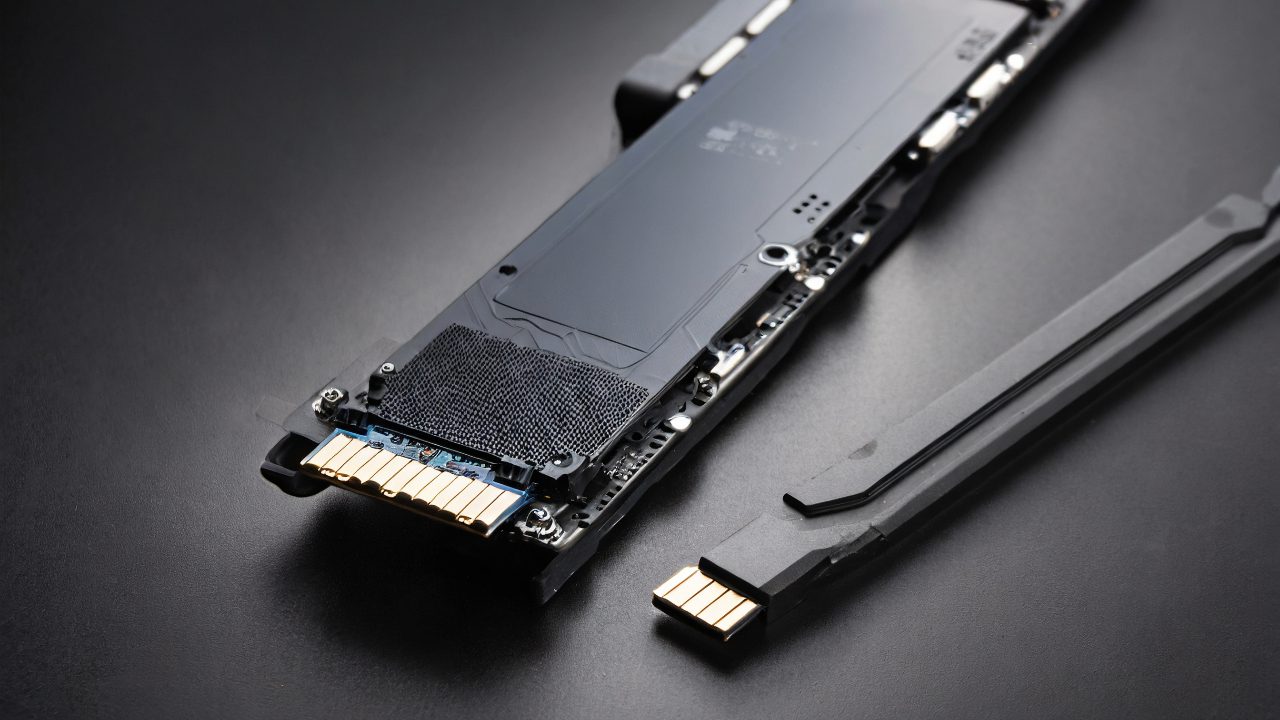
    • Install the new 1TB SSD into the computer.

Additional Information

  • Video Guide: A separate video detailing how to use Acronis for cloning is available.
  • Teardown Video: Upcoming video will show how to disassemble the Acer Aspire C27 for SSD installation.
  • Software and Hardware Links: Links for Acronis software, USB adapter, and other tools are provided in the video description.

Recommendations

  • Ensure Correct Installation: It’s crucial to properly install the new SSD in place of the original for the computer to boot from it.
  • Backup Data: Always backup important data before starting the cloning process.
  • Follow Detailed Guide: Refer to the dedicated Acronis video for detailed instructions on creating a bootable USB drive and cloning.

Conclusion

  • The cloning process is straightforward with the right tools and software.
  • The video provides a helpful guide for those looking to upgrade their Acer Aspire C27 or similar models with a larger SSD.

Legal Disclosure:

UberGeeks video(s) or information provided on this website does not, and is not intended to, constitute legal advice, constitute IT professional advise, information technology expert, or tech related material; instead, all information and content available on this are for entertainment purposes only. No information contained in this video shall create any express or implied warranty or guarantee of any particular result.

UberGeeks shall not be held liable for any damages, losses, injuries, loss of data, or harm arising from the use of information or techniques presented in our video(s) or information provided on this website. By accessing and using our content, you agree to release us from any liability.

Participation in any activities or experiments presented in our video(s) is entirely voluntary. If you choose to replicate any actions or experiments, exercise caution, and prioritize your safety and the safety of your equipment.

Thank you for joining us on this IT journey. We hope you find our video(s) enjoyable. Remember, your participation in this channel is at your own discretion, and we encourage you to use the information responsibly and safely.

Transparency Note:

This article was collaboratively written with the assistance of ChatGPT, an AI language model developed by OpenAI. While the content was generated with AI assistance, it was reviewed and edited by our human editorial team to ensure accuracy and quality. As part of our efforts to enhance the user experience, we utilize artificial intelligence (AI) technologies to generate images and visual content on this website. Adobe Firefly AI-generated images may include graphics, illustrations, and other visual elements.

Related Articles