08/06/2021

Dell XPS 13 9310 7351 Tear Down Disassemble

[vc_video link=”https://www.youtube.com/watch?v=Dzf4R3vr22M” title=”Dell XPS 13 9310 7351 Tear Down Disassemble”]

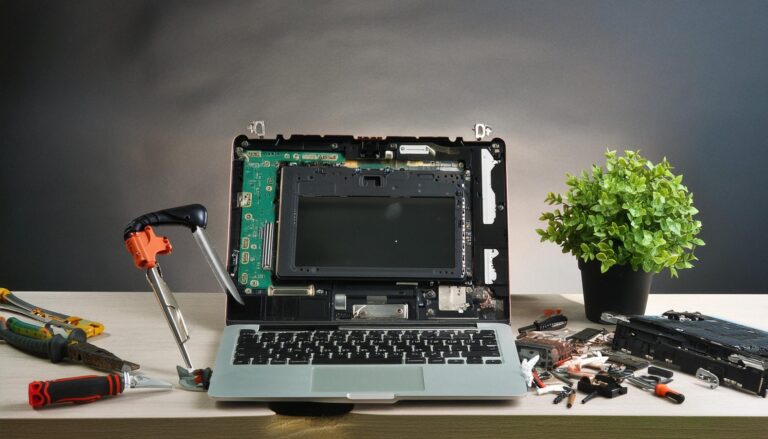
Dell XPS 13 Teardown & Upgrade Guide

If you own a Dell XPS 13 (model 9310-7351 SLV-PUS) and are looking to understand its internals for upgrades or repairs, this guide is for you. We’ll walk you through the teardown process and discuss upgrade possibilities.

Getting Started

  • Preparation: Ensure the laptop is turned off. The XPS 13 features a lid sensor that automatically turns on the laptop when opened, so be sure to shut it down completely.
  • External Overview: The laptop sports a silent keyboard without numeric keys, a touchpad, and a power button that also functions as a fingerprint reader. It’s powered by an Intel Evo i7 11th Gen processor.

Teardown Process

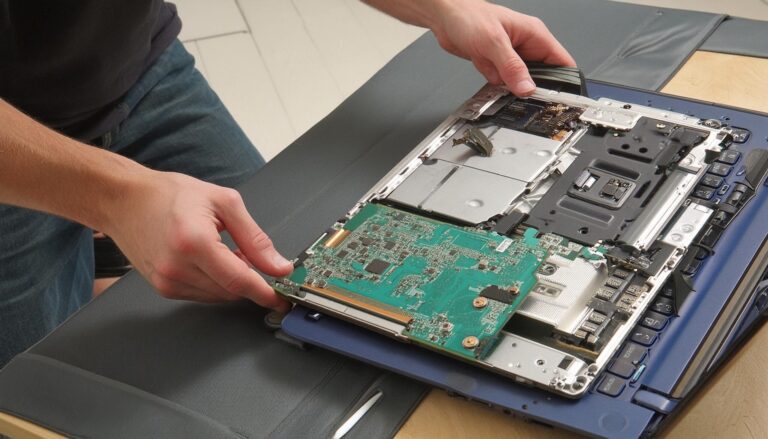
  1. Removing the Back Cover: Start by unscrewing the Torx screws from the bottom. Once all screws are removed, use a metal prying tool to gently lift and remove the back cover.
  2. Battery: The battery model is 722K55 (52 watts). Disconnect the battery by sliding its cable down and then unscrew it to remove.
  3. M.2 Solid State Drive: Easily accessible for upgrades. The current model comes with a 1TB M.2 SSD, which you can upgrade to a larger capacity if needed.
  4. Heatsink and CPU Fan: These are combined into one unit. If experiencing overheating, consider replacing the thermal paste.
  5. Speakers: The speakers are glued in place. If they are damaged, they’ll need to be carefully removed and replaced.
  6. Keyboard and Touchpad: They are part of one assembly and not individually replaceable. If the keyboard is damaged, you’ll need to replace the entire top assembly.
  7. Motherboard: Disconnect all cables attached to it for removal. The design is compact, with some keyboard connections being routed to a separate board before connecting to the motherboard.

Upgrading Possibilities

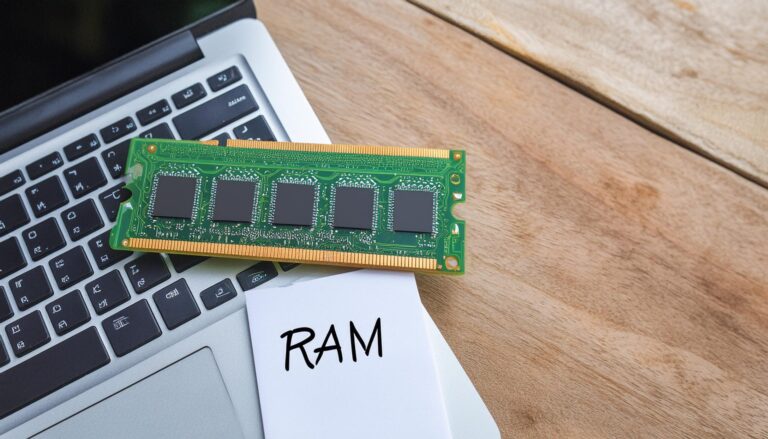
  • RAM and CPU: These components are not mentioned in the teardown, suggesting they might be soldered onto the motherboard and not upgradable.
  • Hard Drive: The M.2 SSD is upgradable. You can switch to a higher capacity drive if needed.
  • Battery: If the battery is failing, it can be replaced following the teardown steps.

Conclusion

The Dell XPS 13 (9310-7351 SLV-PUS) is a compact and well-designed laptop. Its teardown reveals a thoughtful design that makes certain upgrades, like the SSD and battery, relatively straightforward. However, some components like the RAM and CPU might not be upgradeable due to their integrated nature.

For more detailed steps and visual guidance, please refer to the video link in the description.


This post offers a clear and concise guide for anyone looking to understand the internal layout of the Dell XPS 13 for potential upgrades or repairs. It highlights the ease of certain upgrades while noting the limitations in upgrading other components.

Legal Disclosure:

UberGeeks video(s) or information provided on this website does not, and is not intended to, constitute legal advice, constitute IT professional advise, information technology expert, or tech related material; instead, all information and content available on this are for entertainment purposes only. No information contained in this video shall create any express or implied warranty or guarantee of any particular result.

UberGeeks shall not be held liable for any damages, losses, injuries, loss of data, or harm arising from the use of information or techniques presented in our video(s) or information provided on this website. By accessing and using our content, you agree to release us from any liability.

Participation in any activities or experiments presented in our video(s) is entirely voluntary. If you choose to replicate any actions or experiments, exercise caution, and prioritize your safety and the safety of your equipment.

Thank you for joining us on this IT journey. We hope you find our video(s) enjoyable. Remember, your participation in this channel is at your own discretion, and we encourage you to use the information responsibly and safely.

Transparency Note:

This article was collaboratively written with the assistance of ChatGPT, an AI language model developed by OpenAI. While the content was generated with AI assistance, it was reviewed and edited by our human editorial team to ensure accuracy and quality. As part of our efforts to enhance the user experience, we utilize artificial intelligence (AI) technologies to generate images and visual content on this website. Adobe Firefly AI-generated images may include graphics, illustrations, and other visual elements.
Related Articles