08/28/2021

HP 15 CPU Fan Replacement

[vc_video link=”https://www.youtube.com/watch?v=7r5Fh1H4gJE” title=”HP 15 CPU Fan Replacement”]

Step-by-Step Guide to Replacing an HP Laptop CPU Fan

This guide outlines the process for replacing a faulty CPU fan in an HP laptop, specifically the HP15-bs087nr model.

Tools and Materials Needed

  • Phillips screwdriver
  • Plastic prying tool
  • Replacement CPU fan

Steps for CPU Fan Replacement

  1. Prepare Your Work Area: Power off the laptop. If the battery is dead, it’s already off.
  2. Remove the Battery: Slide out the battery by pressing the clips on the sides.
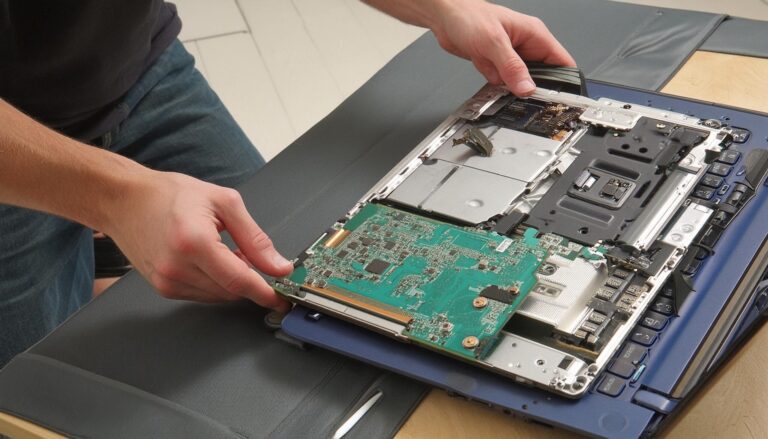
  3. Unscrew the Back Cover: Use a Phillips screwdriver to remove all visible screws. Check under rubber stoppers for any hidden screws.
  4. Pry Open the Back Cover: Start at the corners and gently pry the cover off. Use a plastic tool to avoid scratches.
  5. Locate the CPU Fan: Identify the noisy fan. You may notice a grinding sound or that the fan blades scrape against metal.
  6. Disconnect the Fan Connector: Gently pull the connector away from the motherboard.
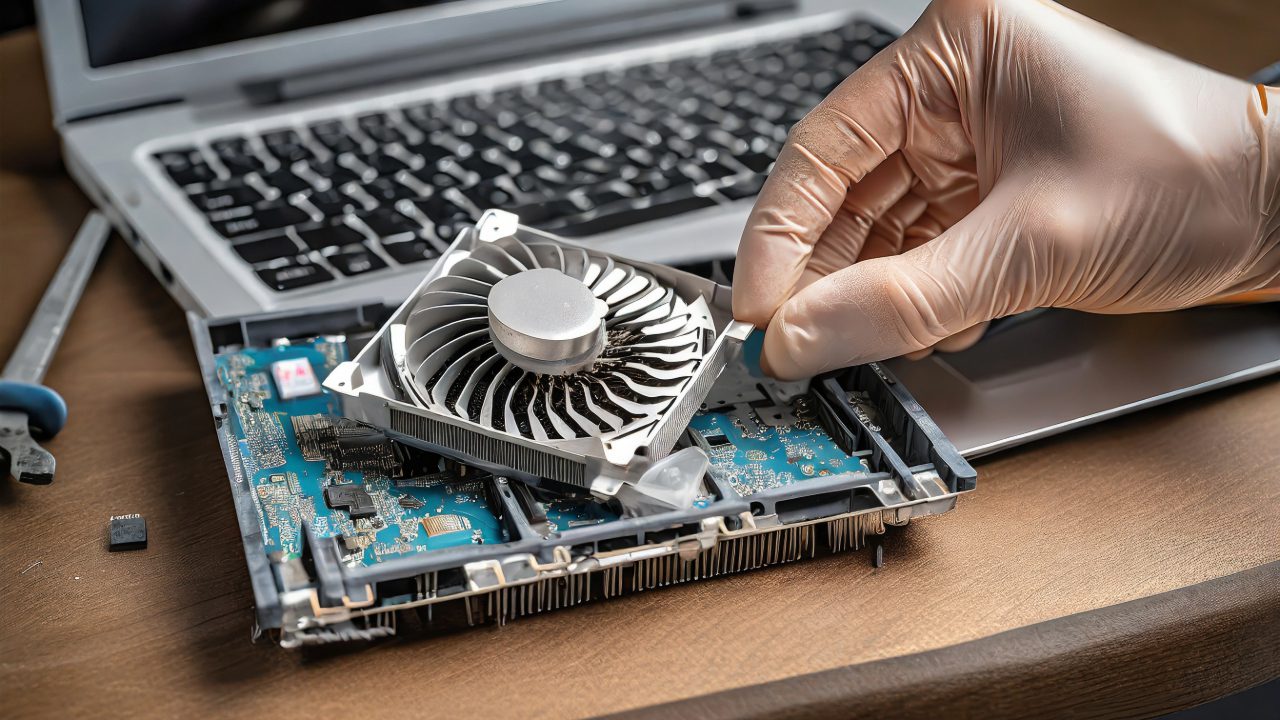
  7. Remove the Fan: Unscrew the fan and carefully remove it. Note the model number for ordering a replacement.
  8. Order and Replace the Fan: Use the model number (e.g., SPS925012-001 or DC2800JLF0) to order a compatible fan. Once it arrives, connect it to the motherboard and secure it with screws.

Additional Components

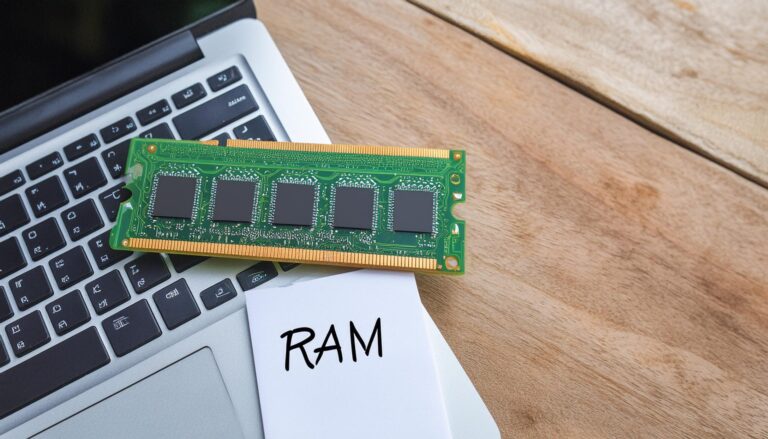
  • RAM: You can also upgrade the RAM if the laptop is slow.
  • Hard Drive: Consider upgrading to an SSD for better performance. Refer to separate guides for cloning the hard drive.
  • CMOS Battery: If resetting BIOS is required, locate and remove the CMOS battery.

Conclusion

Replacing the CPU fan in an HP laptop is a straightforward process that can resolve issues related to noise and overheating. If you’ve followed this guide and successfully replaced your laptop’s CPU fan, share your experience in the comments below.


We hope this guide assists you in replacing your HP laptop’s CPU fan. For any further questions or tips, feel free to leave a comment. Don’t forget to like and subscribe for more helpful tutorials. Take care and good luck with your repair!

Legal Disclosure:

UberGeeks video(s) or information provided on this website does not, and is not intended to, constitute legal advice, constitute IT professional advise, information technology expert, or tech related material; instead, all information and content available on this are for entertainment purposes only. No information contained in this video shall create any express or implied warranty or guarantee of any particular result.

UberGeeks shall not be held liable for any damages, losses, injuries, loss of data, or harm arising from the use of information or techniques presented in our video(s) or information provided on this website. By accessing and using our content, you agree to release us from any liability.

Participation in any activities or experiments presented in our video(s) is entirely voluntary. If you choose to replicate any actions or experiments, exercise caution, and prioritize your safety and the safety of your equipment.

Thank you for joining us on this IT journey. We hope you find our video(s) enjoyable. Remember, your participation in this channel is at your own discretion, and we encourage you to use the information responsibly and safely.

Transparency Note:

This article was collaboratively written with the assistance of ChatGPT, an AI language model developed by OpenAI. While the content was generated with AI assistance, it was reviewed and edited by our human editorial team to ensure accuracy and quality. As part of our efforts to enhance the user experience, we utilize artificial intelligence (AI) technologies to generate images and visual content on this website. Adobe Firefly AI-generated images may include graphics, illustrations, and other visual elements.

Related Articles