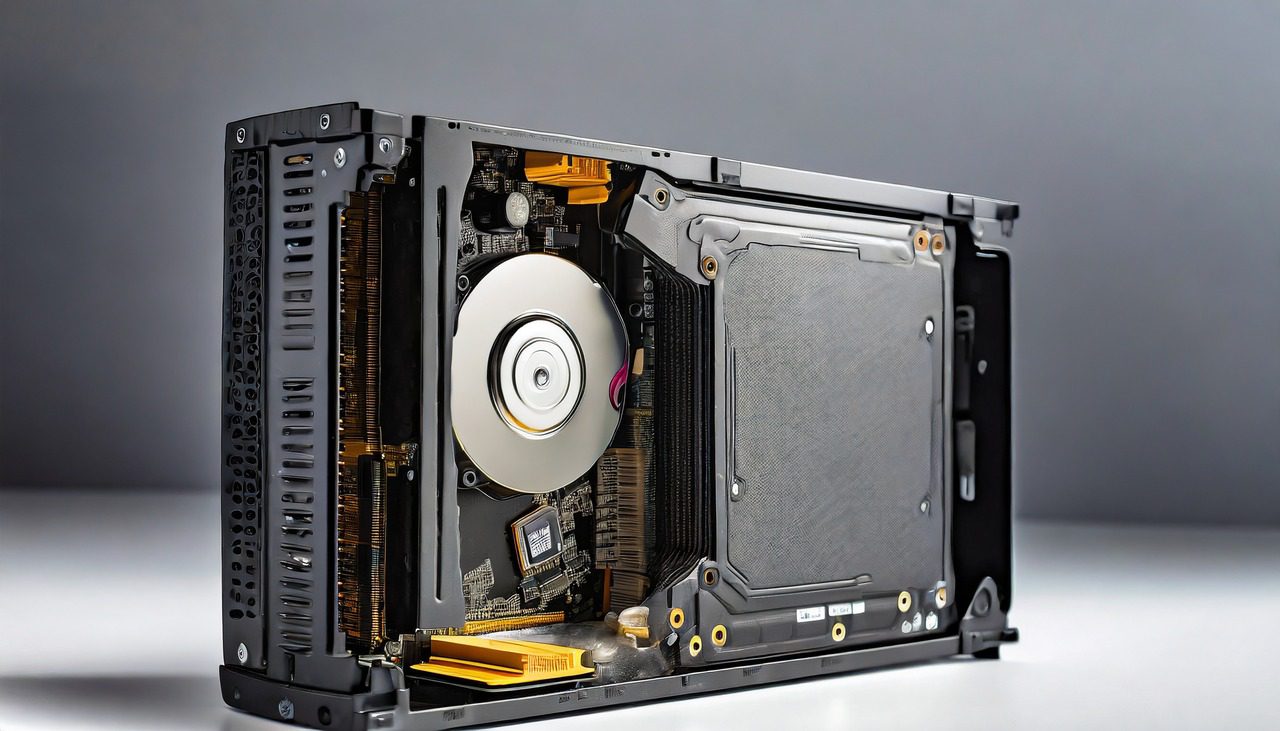
09/30/2021

HP Envy TE01 1144 Add Second Hard Drive

[vc_video link=”https://www.youtube.com/watch?v=-qaTy_pQlik” title=”HP Envy TE01 1144 Add Second Hard Drive”]

HP Envy Desktop TE01-1144 Hard Drive Upgrade Guide

Hi, I’m Simon, and in this video, we’re upgrading the HP Envy Desktop TE01-1144 by adding a secondary hard drive for additional storage. I’ll be using a 2TB Seagate Barracuda HDD, known for its reliability and performance.

Introduction

  • Desktop Model: HP Envy TE01-1144.
  • Hard Drive: 2TB Seagate Barracuda HDD.

Preparing for Installation

  • Tools Required: Torx screwdriver for removing panels.
  • Safety: Ensure the desktop is powered off and unplugged.

Removing Desktop Panels

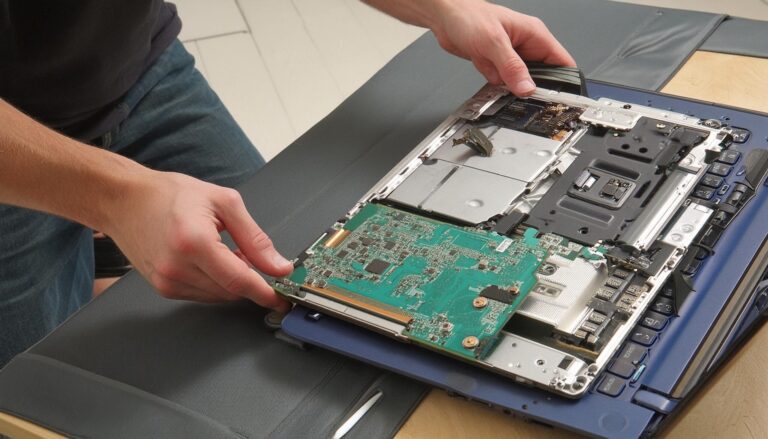
  • Back Panel Removal: Unscrew and slide off to access the internal components.
  • Front Panel Removal: Release the clips to access the hard drive bay.

Installing the Hard Drive

  • Hard Drive Bay Access: Remove the securing screw and slide out the hard drive tray.
  • Mounting the Hard Drive: Secure the 2TB HDD to the tray using four screws (note: screws are not included with the hard drive).

Connecting the Hard Drive

  • Power Connection: Attach the power cable to the hard drive.
  • Data Connection: Connect the SATA cable, ensuring the alignment with the latch on the hard drive.

Final Steps

  • Reassembling: Replace the hard drive tray and front and back panels.
  • Initial Setup in Windows: After powering on, use Disk Management to initialize and format the new hard drive, assigning a drive letter (e.g., D: or E:).

Conclusion

  • Final Thoughts: Upgrading your HP Envy Desktop TE01-1144 with a secondary hard drive is a straightforward process that significantly increases storage capacity.
  • Reminder: If you have any questions or need further assistance, feel free to comment below. Don’t forget to like and subscribe for more tutorials!

And that’s it! This guide should help viewers efficiently add a secondary hard drive to their HP Envy Desktop TE01-1144. Thanks for watching, and good luck with your upgrade!

Legal Disclosure:

UberGeeks video(s) or information provided on this website does not, and is not intended to, constitute legal advice, constitute IT professional advise, information technology expert, or tech related material; instead, all information and content available on this are for entertainment purposes only. No information contained in this video shall create any express or implied warranty or guarantee of any particular result.

UberGeeks shall not be held liable for any damages, losses, injuries, loss of data, or harm arising from the use of information or techniques presented in our video(s) or information provided on this website. By accessing and using our content, you agree to release us from any liability.

Participation in any activities or experiments presented in our video(s) is entirely voluntary. If you choose to replicate any actions or experiments, exercise caution, and prioritize your safety and the safety of your equipment.

Thank you for joining us on this IT journey. We hope you find our video(s) enjoyable. Remember, your participation in this channel is at your own discretion, and we encourage you to use the information responsibly and safely.

Transparency Note:

This article was collaboratively written with the assistance of ChatGPT, an AI language model developed by OpenAI. While the content was generated with AI assistance, it was reviewed and edited by our human editorial team to ensure accuracy and quality. As part of our efforts to enhance the user experience, we utilize artificial intelligence (AI) technologies to generate images and visual content on this website. Adobe Firefly AI-generated images may include graphics, illustrations, and other visual elements.
Related Articles